
Thinking warm thoughts
The Nature of PEI by Gary Schneider
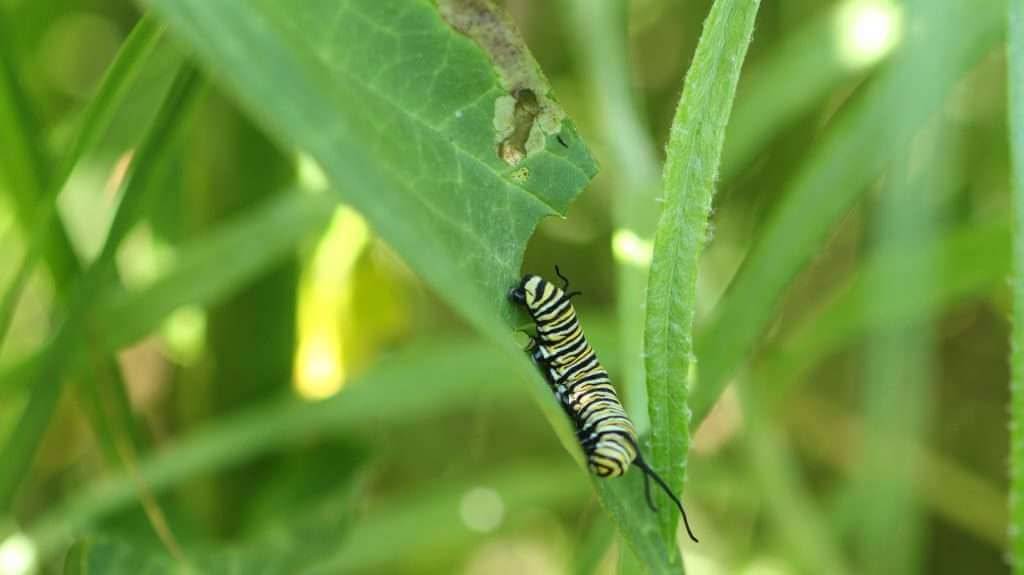
{Photo by Macphail Woods]
Though it is certainly possible that we can have snow in May, and occasionally even into June, this is the time of year when gardening and growth come to mind. Leaves are breaking out of their protective bud casings. The spring ephemerals—those early awakening wildflowers that disappear in the heat of summer—are popping up all over the place. Once winter is done and we’re inching towards summer, we see change all around us.
Although nature is truly alive throughout the year, May often feels like a rebirth. We hear a lot more birds singing, trying to attract a mate or scare away rivals. Some songsters, such as the black-capped chickadees and the red-breasted nuthatches, have been waiting here all year. Their familiar songs are gentle reminders that creatures other than ourselves have made it through another winter.
But we’re also starting to hear the songs of tourist birds. These are the opposite of the thousands of Canadians—at least up until now—who flock to Florida and other warm parts of the world for some relief from the cold. The red-winged blackbirds that are calling from every wetland, the song sparrows that are singing up a storm, and the migratory warblers have all arrived with the sole purpose of nesting and raising the next generation.
The ”conk-a-ree” of the red-wing reminds us that we’ve made it through another winter. And that the promise of warm, sunny days is just around the corner.
Warm thoughts lead to thinking about gardens and all their beauty and potential. One of the plants that I continue to be in awe of is our native swamp milkweed. It is exciting just to think about these plants. Our native milkweed has a love pink flower and is easy to grow. Despite its name, you don’t need to have a swamp to be success with this plant. In our nursery at Macphail Woods, it grows well in our relatively dry raised beds that rarely get watered.
As with many plants, the names reflect the conditions they will tolerate, not that they demand. For example, bog birch indeed grows well in boggy areas but doesn’t need those conditions. Seaside goldenrod thrives in the sandy, dry soils along the north shore, but grows very well in many other places. And dune grass—the truly wonderful plant that sometimes can be the only thing holding our hills of sand together—can do admirably under many other conditions.
But as beautiful as the swamp milkweed is, I would have a hard time growing beds of it just for the flowers. We have literally dozens of native plants that are things of beauty. Wildflowers such as Canada anemone, blue-flag iris, painted trillium, and virtually all of our orchids are stunning reminders of the beauty all around us. But none of them bring Monarch butterflies into our neighbourhood. As we’ve seen time and time again, growing swamp milkweed magically attracts these endangered butterflies, who then lay eggs on the leaves. These eggs turn into caterpillars, such as the one pictured above, the caterpillars morph into pupae, and before too long a stunning Monarch emerges. Even with a working knowledge of science, it seems to be a mind-boggling process.
Seeing the first Monarch caterpillar of the season reminds me why I love to garden. In some ways it’s like planting beans while thinking of all the delicious meals that they will become. While the swamp milkweed is a beautiful plant, the Monarchs are really the icing on the cake.