
Simple plates
Fix Your Plate by Tara Reeves
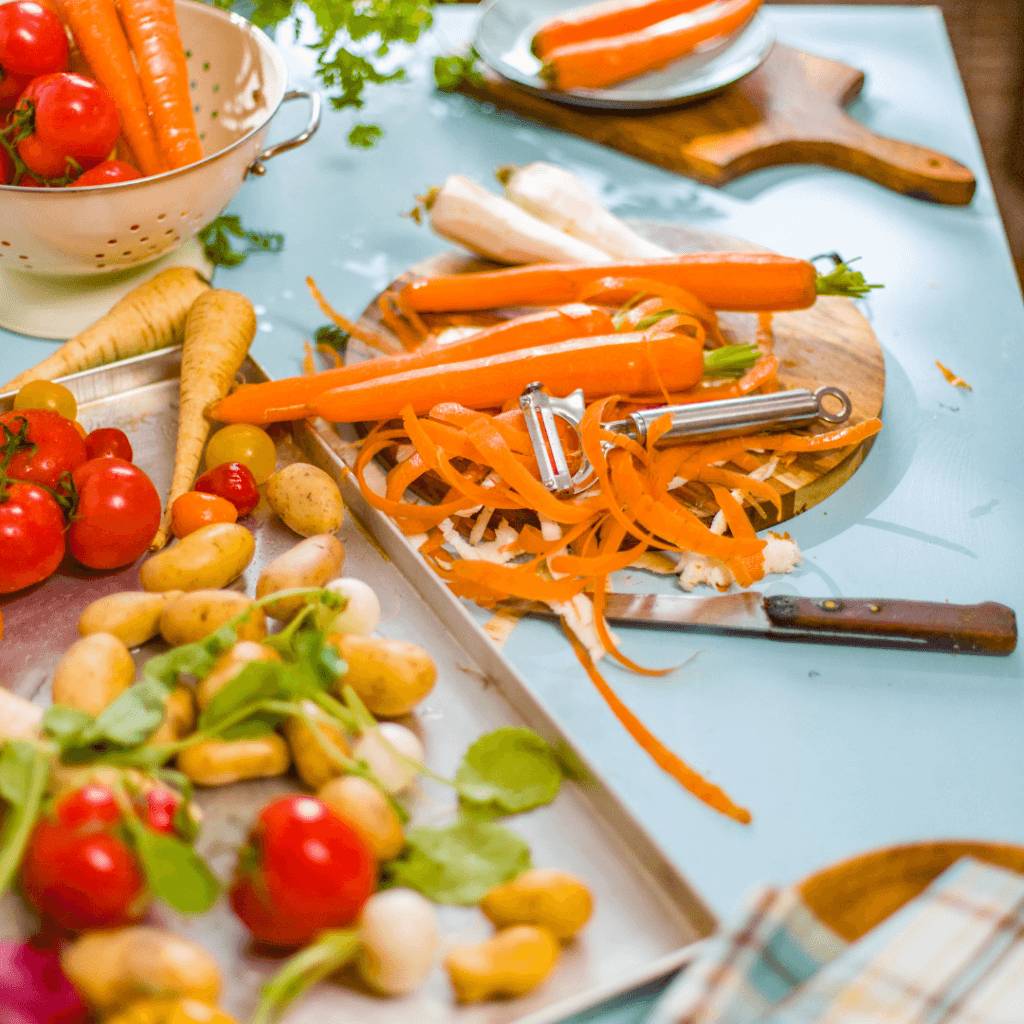
By the time March rolls around, most of us are exhausted by the simple act of deciding what to eat. We’ve spent the last few months hunkered down with heavy stews, slow cooker casseroles, and endless batch meals that seemed like a good idea in January. Now, the mental energy required to flip through a cookbook feels like a burden we didn’t sign up for. We still have to eat every day, but the question of what to cook has become a source of genuine fatigue. Instead of hunting for a complex new recipe, it’s time to ask a much better question. We should be asking how to build a plate. When we shift our focus from rigid instructions to a basic structure, the kitchen stops feeling like a chore and becomes a place of ease.
I like to rely on a framework I call the four part plate. It’s a repeatable model that takes the guesswork out of your evening. Most meals that actually leave you feeling satisfied and energized contain four specific elements: a reliable base, a protein, a vegetable, and a bold finish. This isn’t meant to be a rigid set of rules that you’ve got to follow to the letter. Think of it more as a flexible template. Having this kind of structure in your life reduces the daily stress of decision making. It helps you stay consistent with your goals and, perhaps most importantly, it prevents that inevitable late night default to buttered toast or expensive takeout.
The first piece of the puzzle is the base. I usually reach for something sturdy like brown rice, quinoa, or even simple roasted potatoes. The secret here is to cook once and use the results twice. If you boil a large pot of rice or lentils on a Sunday afternoon, you’ve already done half the work for the rest of the week. Next, you need a protein to keep you full. I often go for chickpeas or firm tofu, but the key is to ensure they’re seasoned well. Nobody wants to eat bland food. You might toss your chickpeas with a bit of smoked paprika and avocado oil, then let the oven do the work until they’re slightly crisp.
For the third component, look to whatever vegetables are available at your local market. In late winter, this often means roasted carrots, shaved cabbage, or perhaps some hearty wilted greens. I always find that a splash of acid, such as a squeeze of fresh lemon or a dash of apple cider vinegar, wakes up the flavour of the greens beautifully. Finally, you need a bold element. This is the part that transforms a boring pile of food into a meal you actually want to eat. It could be a dollop of herb infused yogurt, a spoonful of spicy chilis, or some quick pickled onions you’ve kept in the fridge. That one strong flavour is what makes the whole plate sing.
When you put it all together, it looks like a masterpiece but feels like a shortcut. Imagine a bowl filled with nutty brown rice and those smoky roasted carrots. You add your crispy chickpeas on top and finish the whole thing with a generous drizzle of lemon and tahini sauce and a handful of fresh parsley. If you’ve done even a little bit of prep work earlier in the week, this entire meal comes together in under twenty minutes. It feels entirely doable, even on a Tuesday night when your brain’s fried from work.
Eating well doesn’t require another deep dive into your cupboards or a massive seasonal overhaul. It simply requires a repeatable structure and a few well prepared ingredients that you actually enjoy. When the plate’s kept simple, the habit of healthy eating finally becomes sustainable. You don’t need a miracle to feel better in your kitchen. You just need a better plan for your plate.