
Reporting bat sightings
Public asked to report sightings
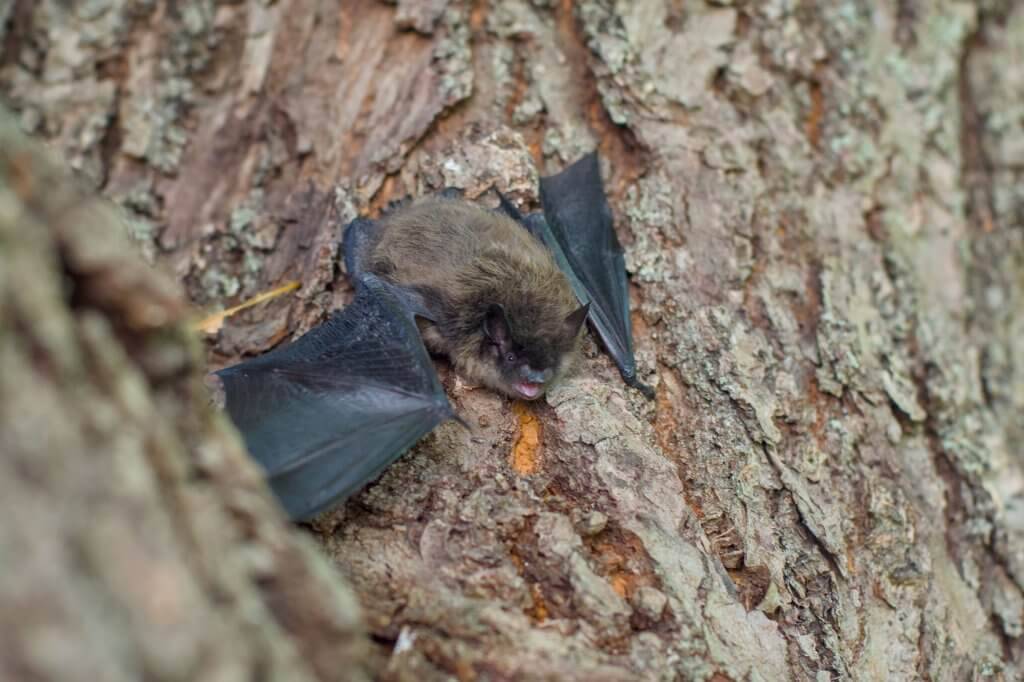
The Canadian Wildlife Health Cooperative Atlantic bat team is asking the public to report sightings of the elusive nocturnal animals by calling the Atlantic Bat Hotline at 1-833-434-BATS (2287).
Members of the public can play an important role in helping biologists better understand the status and distribution of bats by reporting sightings in the Atlantice provinces. Callers can report details of their bat sightings and receive up-to-date, accurate information on a variety of bat-related topics, including general biology and ecology, bats and human health, responsible management of bats in buildings, and practical solutions to support bat conservation on private property.
Each bat report is important to fill in gaps and help scientists learn more about where and when local bat species are spotted.
The health of resident bat species in Atlantic Canada continues to be threatened by the persistence of the devastating bat-specific disease white-nose syndrome (WNS). The rapid decline of hibernating bat species from WNS resulted in three local bat species—Little Brown Myotis, Northern Myotis, and Tri-colored Bat—being federally listed as endangered.
At the same time, migratory bats that visit Atlantic Canada from the spring to the fall are facing population declines due to collisions with an increasing number of wind turbines. Severe population declines in migratory bats across Canada prompted the Committee on the Status of Endangered Wildlife in Canada to recommend that these bats be listed as endangered as well. Migratory bat species are under-reported, but public reports complemented by photographic observations may help identify these species in Atlantic Canada.