
Protecting plantings
The Nature of PEI by Gary Schneider
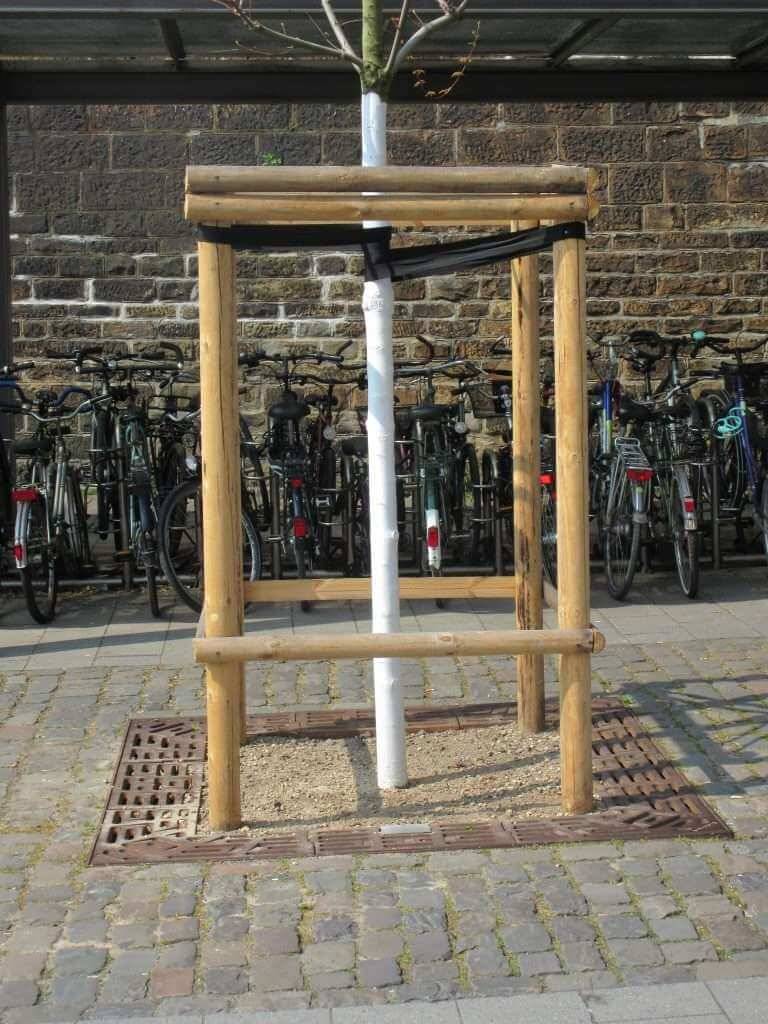
It is great to see so many communities and watershed organizations actively involved in tree planting. Especially since the devastating effects brought about by post-tropical storm Fiona, we desperately need to be planting more trees. As I’ve mentioned many times over the years in these columns, it is not about numbers—it is all about planting the right trees in the right places.
While it is important to choose the right species, select well-rooted, healthy plants, and make sure the necessary nutrients and water are available, there is another step that is often overlooked. I’ve been called to countless schools, community parks, and private properties to provide some insight as to why the trees are doing poorly.
Often these are larger trees that the owner has invested significant time and money to install, hoping to gain many years of pleasure from having a lovely tree around. If there is no visible damage, I’ll often just dig the tree up and point out the poor roots, the too small hole, or the terrible soil. All of these conditions are much too common.
But the main reason for trees not doing well—and one that we can safeguard against—is damage from lawn mowers and whipper snippers.
Understandably, if you’re planting hundreds or even dozens of hardwood seedlings, it is difficult and expensive to protect them all, especially if it is from rodents. In these cases, we’ll often choose which trees to protect with some kind of fencing or tree wrap, and we protect the trees that are most susceptible to being chewed upon. Yellow birch and sugar maple are especially attractive to mice and snowshoe hares. And red oak seemed to be regularly chewed off, though since it will come back from the dormant buds under the bark, that is less of a problem.
But the bigger trees really are a challenge. No one can really afford to plant a $200–$1000 tree and have it banged into by landscapers, or even worse, by a car or truck. Every time you create an opening in a tree—a wound of any kind—you set the table for pathogens and fungi to enter the tree. Any pruning cut—even one that is perfectly done—creates the same problem, which is why you should always have a good reason to prune a tree. And there are many, for sure. But done well, those cuts are as small and smooth as possible, and at the correct angle and position.
A gash created by a lawn mower, whipper snipper, or a vehicle is none of those things. Too often it is wide and jagged. And the bark is loose, which can prevent the tree’s woundwood (think “scar tissue”) from closing the wound.
My advice to those who love trees, and who want to see them around for a long time, is to think carefully about what kind of protection you will use before you plant them. If we’re planting at a school or a park, we try to make sure that the maintenance people understand that their job isn’t just to cut the grass as quickly as possible. It also involves making sure you don’t damage the tree you are cutting around. Some kind of collar is often all that is needed to keep small machines away from the base of the tree.
For more vulnerable trees, it means a combination of a collar plus serious protection. The picture is from Amsterdam, showing how they almost dare you to run into their trees! That’s how highly they are valued.