
Grow fresh at home
Fix Your Plate by Tara Reeves
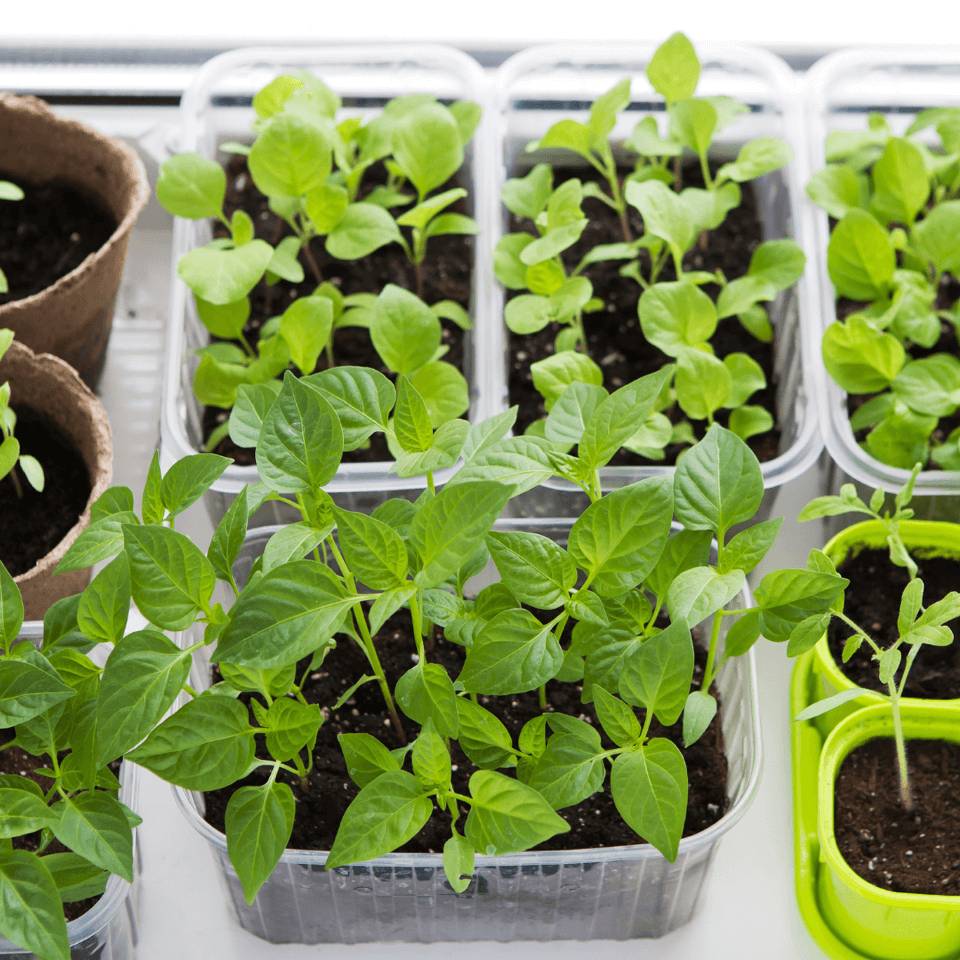
Spring is finally here, and there’s no better time to start a vegetable garden right inside your home. Even if it’s still chilly outside, you can get a head start by growing fresh veggies and herbs indoors. It’s easier than you think, and in just a few weeks, you’ll have strong, healthy plants ready to move outdoors when the weather warms up. Plus, there’s something incredibly satisfying about growing your own food from scratch.
If you’ve never started seeds indoors before, don’t worry. Some vegetables and herbs are practically foolproof. Leafy greens like lettuce, spinach, and kale grow quickly and don’t take up much space. Cherry tomatoes, peppers, and cucumbers also do well indoors, especially if you have a sunny windowsill or a small grow light. Herbs like basil, parsley, cilantro, and chives are perfect for a kitchen garden, and they add fresh flavour to any meal.
The key to success is setting up the right environment. Seeds need warmth, light, and moisture to sprout. A south-facing window is ideal, but if you don’t have enough natural light, an LED grow light will do the trick. Keep the temperature between 65-75°F (18-24°C), and make sure your seed trays or pots have drainage holes to prevent overwatering.
Speaking of pots, you don’t need anything fancy to get started. Egg cartons, yogurt cups, or biodegradable peat pots work great. Just fill them with a light, well-draining seed-starting mix, plant your seeds according to the packet instructions, and keep the soil moist but not soaking wet. Covering your containers with plastic wrap or a humidity dome will help trap warmth and speed up germination.
Most seeds sprout within a week or two. Once they do, remove the cover and make sure they get plenty of light. If they start looking tall and leggy, they need more light. Moving the seeds closer to a window or grow light will help with this. A small fan on low speed can also strengthen seedlings by mimicking a natural breeze. Water them gently when the top of the soil feels dry, but be careful not to overwater, since soggy soil can lead to root rot.
As your seedlings grow, you might notice them getting crowded. When this happens, thin them out by snipping the weaker ones at the base. It may seem harsh, but this allows the strongest plants to thrive. If you’re growing tomatoes or peppers, consider transplanting them into larger pots before moving them outdoors.
After about 4–6 weeks, your plants will be ready to move outside. But don’t rush them! Sudden exposure to wind, sun, and cooler temperatures can shock them. Instead, introduce them gradually by placing them outside for a few hours each day, increasing the time over a week. This process, called hardening off, helps them adjust to outdoor conditions.
If you don’t have an outdoor garden, you can still grow plenty of veggies indoors. Herbs, salad greens, and even cherry tomatoes thrive in pots on a sunny windowsill. With the right care, you can have fresh produce all year round, no backyard required.
And that’s it! In just a few simple steps, you’ll have a thriving vegetable garden, whether you have a backyard, a balcony, or just a kitchen windowsill. By starting indoors, you’ll give your plants a strong head start, so by summer, you’ll be harvesting fresh, homegrown veggies and herbs right from your own garden.
If you’re looking for local, organic seeds check out PEI Seed Alliance at peiseedalliance.ca or pick some up at the Summerside Farmer’s Market at the Emmerdale Eden Farm booth on Saturdays. Veseys Seeds in York also has a good selection of organic options. Browse them at veseys.com.
So grab some seeds, get your hands a little dirty, and enjoy the process. You’ll be amazed at how rewarding it is to grow your own food.