
Field to fork
Fix Your Plate by Tara Reeves
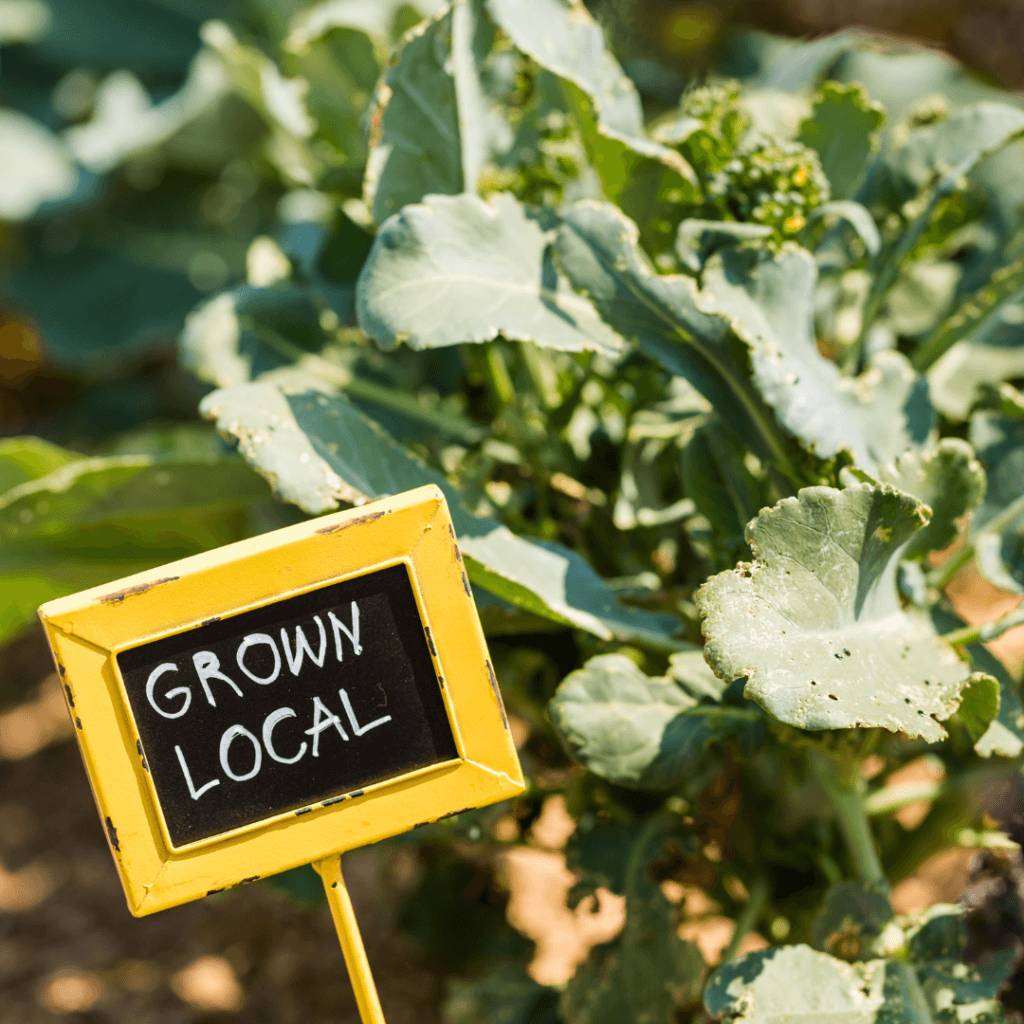
Last month, we focused on outsmarting the grocery store. This month, we’re shifting our attention to the relationship between the kitchen and the farm. It’s the handshake between the person who grows the food and the person who brings it to the table. In April, we talked about auditing the supermarket aisles for unit prices and protein stretches, but as the ground thaws across the counties, our strategy can naturally shift from the aisle to the soil.
Community Supported Agriculture, or the CSA model, is a functional partnership that benefits both ends of the food chain. Think of it as a calculated investment in Island resilience. When you buy a share in a farm like Heart Beet Organics in Darlington or the Schurman family’s operation in Kensington, you are providing the literal seed money that helps a farmer manage their most expensive season with confidence.
This upfront payment is a stabilizer for our local economy. It creates a predictable cash flow for the farmer, which in turn secures local jobs and keeps our food dollars circulating within our own red dirt. The value is also immediate when it comes to the quality of what we eat. The vitamins and minerals in a carrot harvested in the morning and delivered to your door by the afternoon are much higher than anything that has spent a week in a climate-controlled shipping container.
This model changes the way we approach a recipe. Instead of searching for ingredients to fit a specific menu, we allow the harvest to guide our cooking. This transition into seasonal eating encourages us to eat with the natural rhythm of the Island. In late spring, that means focusing on fresh greens and crisp radishes that support healthy digestion after a long winter of heavy, starchier meals. It’s a shift from eating for convenience to eating for the season.
Modern CSA programs on the Island are becoming increasingly flexible to meet the needs of different households. Many producers now offer bi-weekly boxes or payment plans that break the cost into smaller amounts throughout the season. There are even options for half-shares, which provide a smaller amount of produce that’s perfect for individuals or smaller families.
Choosing a CSA in May is a way to plan for long term kitchen stability. You’re locking in a price for the entire summer, which effectively protects your grocery budget from the price jumps that often hit store bought produce. It also encourages us to practice better cooking skills. When a box arrives with unique items like garlic scapes or heritage radishes, it invites us to use the whole plant. We find ourselves making sauces from carrot tops and soup bases from fennel stalks, which is a fantastic way to get the most value out of every cent we spend on food.
Whether you’re looking at the organic methods of Maple Bloom Farm or the deep rooted tradition at Fortune Bridge Farms in the east, the goal is the same. We are moving toward becoming active participants in where our food comes from. This is about food security and ensuring that the best of the Island stays on Island plates. It’s a system that nourishes our bodies and our community at the same time, providing a win for the farmer, a win for the soil, and a significant win for the health of our homes.