
Wildlife and water
The Nature of PEI by Gary Schneider
Perhaps it is the season, perhaps it is the long list of threats that we humans are responsible for, but the subject of water seems to be gaining traction among Islanders.
We’re the only province or territory in Canada that is 100 per cent reliant on groundwater for our drinking water supply. Certainly, what happens to our water through inappropriate developments, agricultural chemicals, saltwater intrusion, and the latest occurrences of high levels of PFAs (persistent chemicals that pose a significant threat) greatly impacts human health.
Though it is understandable that people worry about their drinking water, the wildlife of PEI doesn’t have its own voice. It has no access to newspapers or the internet. No Atlantic salmon ever posted on Facebook, ranting about low water levels and a lack of oxygen.
Yet clean water is incredibly important to so many species of both flora and fauna. A few columns back I highlighted all the wildlife that make use of dead or dying trees. It was a long list. Equally long is the list of Island wildlife species dependent on water and wetlands.
Of course, we think of fish when wetlands and wildlife come to mind. There are many fish species present in the province, either throughout the year or seasonally. This includes everything from smelt to salmon. It is imperative that they have cool waterways without toxic chemicals, which is not always the case.
Some years, black ducks seem to be almost everywhere where there is open water. Less common but perhaps more beautiful members of this family include buffleheads, hooded mergansers, and the small green-winged teals. Some dabble, some dive, but all are reliant on healthy waterways.
And what about other birds that make use of our wetlands? Rarities such as the American bittern and sora are usually difficult to see but easier to hear calling from marshes. The iconic and always photogenic great blue herons seem to constantly be looking for a feed of fish.
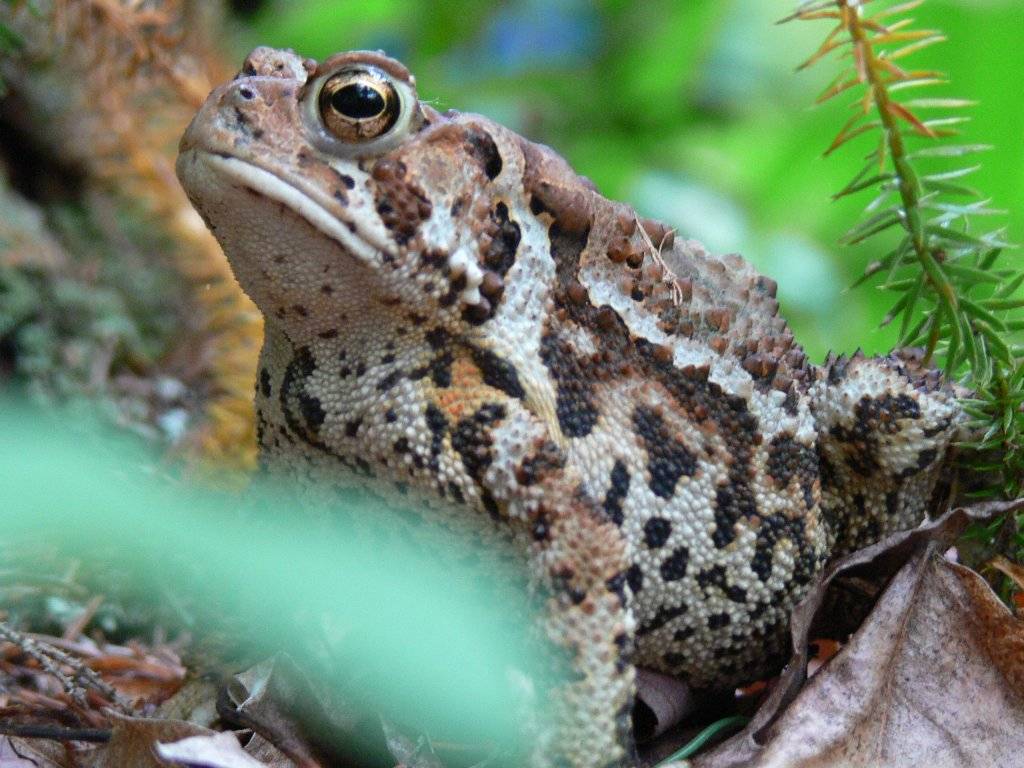
A springtime visit to a wetland might also showcase American toads, spring peepers (the smallest of our native frogs) green frogs, wood frogs, leopard frogs, and pickerel frogs singing up a storm. Red-spotted newts, spotted salamanders, and blue-spotted salamanders all are dependent on wetlands. These amphibians only use wetlands at certain times of the year, but clean water is nonetheless critical to their health. Though most amphibians breathe through lungs and their skin, some are actually lungless and absorb all of their oxygen through their skin. Toxic chemicals in waterways are too easily absorbed into the body of an amphibian.
And don’t get me started on mammals. While we don’t have moose wading through our wetlands on PEI, we do have many small mammals that depend on healthy waterways. A beaver would have no place to create a dam and couldn’t survive the winter without a lodge. Mink are regularly sighted around waterways, as they consume a lot of fish and small mammals. Muskrats are fun to watch as they chow down on cattails. And recently river otters have made a comeback in the province after being thought to have been extirpated for decades.
Those are just some of the biggies. There are many insects that also rely on water. In truth, some of these we’d rather have a few less of. But dragonflies, damselflies and many other types of insects are regularly seen around wetlands.
Healthy wetlands are incredibly important habitat for so many of the creatures that cohabit our province. We need to think more of how we share it.