
Watershed groups
The Nature of PEI by Gary Schneider
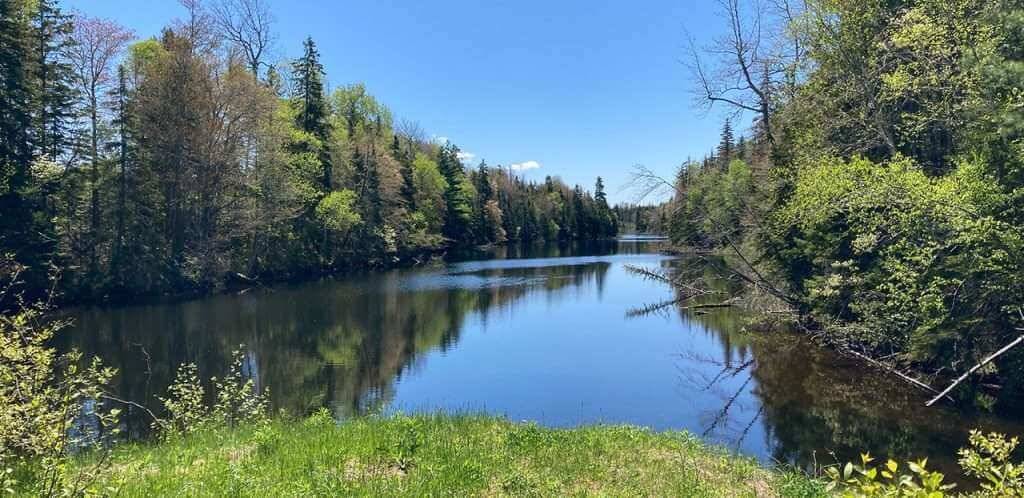
Thank goodness for watershed groups. They have been part of the Island landscape for as long as I can remember. While many started out as organizations that promoted recreational fishing, at some point they morphed into broader conservation organizations.
One of my earliest introductions to these groups was working with Dave Biggar, the legendary President of the O’Leary Wildlife Federation who passed away in 2007. David would drive down from O’Leary to Macphail Woods in his truck and a borrowed horse trailer and fill up on native plants of all shapes and sizes to help diversify the Trout River area. This was long before there was much interest in native plants in the province. I loved that he would send me pictures of handsome Yellow Birch and Sugar Maples that had migrated from Macphail Woods to the Trout River. We’d talk about ruffed grouse and black ducks coming to his feeder and following him up his driveway. Or the idea of outfitting a chainsaw with a large drill bit to start holes for cavity-nesting birds in trees.
Dave loved fishing, for sure. But his interests and restoration work went far beyond just improving habitat for fish and it really showed in the work of his organization.
This same interest and concern for all aspects of nature is evident among today’s watershed groups. Fred Cheverie has retired after many years guiding the Souris and Area Wildlife Federation, but he put in place an outstanding crew that continues his great work. They’ve built a strong community throughout Eastern Kings with their innovative projects.
The Belfast Area Watershed Group is a more recent organization, but under the leadership of coordinator Sherry Pelkey they have made a real impact on improving the health of the environment in that area. They’re involved in everything from workshops to wetland restoration.
There are many more stories just like these and Prince Edward Island is very fortunate to have 25 watershed groups active from Tignish to Montague. Thanks to funding from the provincial government, private donors, and other funding sources, they are helping to create a more diverse and resilient landscape and a healthier environment for all Islanders.
The list of activities of these groups is remarkable, considering that not too long ago there were far fewer groups and most were almost totally reliant on student and Employment Development Agency labour.
We have come a long way and it shows in the work being done. That could be planting a hedgerow to slow down wind and trap nutrients from a nearby field. Or adding diversity and bird-friendly habitat in one of our provincial parks. Or carrying out enrichment plantings in degraded forests, where the species include rarities such as Ironwood, Witch Hazel, Christmas Fern, and Yellow Violet.
We are also fortunate to have the PEI Watershed Alliance serving as a strong voice for these organizations. The Alliance—which is made up of representatives from various watershed groups, plus core staff—is tasked with promoting and improving communication and cooperation between Island watershed groups. This can take many forms. With support from the province and other funding sources, the Alliance helps groups to collaborate on the provision of training and services. They also are a source for tools and monitoring equipment that would be underutilized and too expensive for an individual group to purchase.
Seeing so many watershed groups active across the province with a strong network of support leaves me hopeful that we are making progress on keeping our waterways safe and improving habitat for all forms of wildlife— humans included.